September 17, 2026
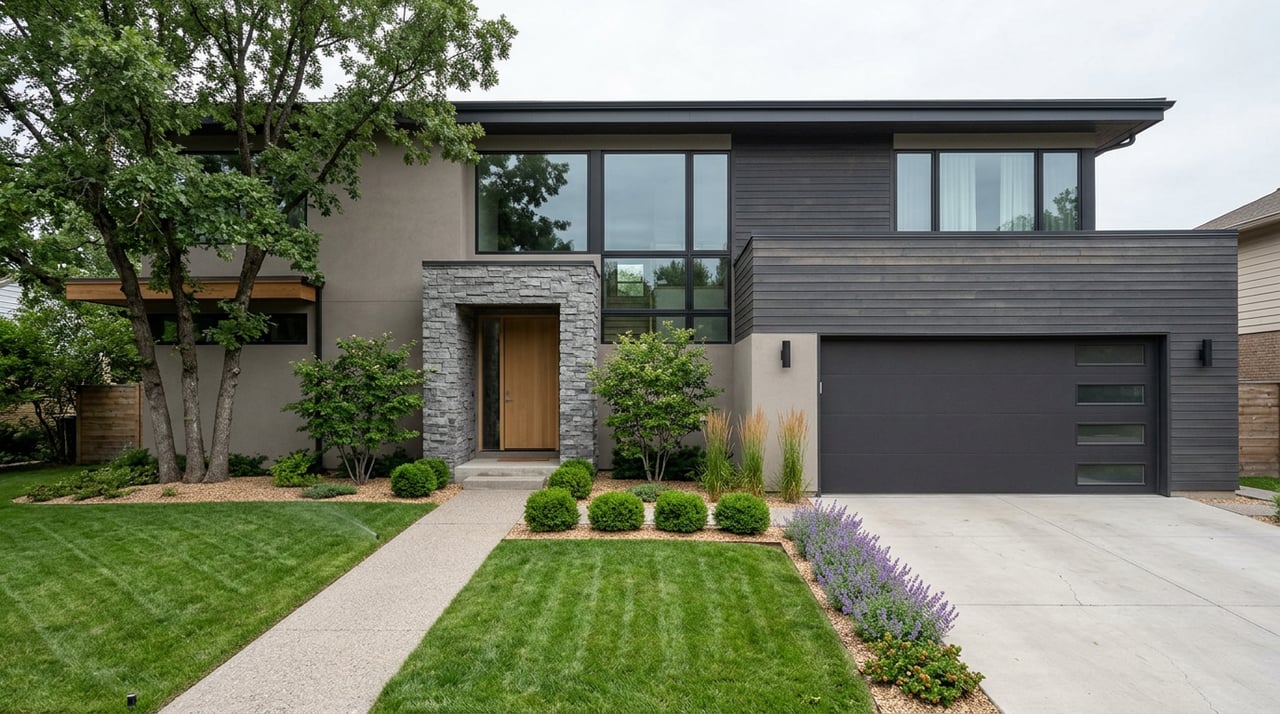
Ask anyone who lives near Ruby Hill Park about parking and you'll get a shrug. Ranch homes with driveways, wide residential streets, no permit zones to memorize. It's one of the quieter conveniences of living in southwest Denver, the kind of thing you don't think about until it changes.
On October 10 and 11, it changes. The Great American Beer Festival, long anchored at the downtown convention center, is moving outdoors for the first time this year, to Levitt Pavilion in Ruby Hill Park. For one weekend, the park at the center of the neighborhood's daily routine becomes the site of the biggest ticketed gathering it has ever hosted.
Denverite reported in January that GABF would trade the downtown convention center for Levitt's open-air amphitheater this year, a real departure for an event built around indoor beer halls and convention-floor tastings. The format stays familiar: beer tastings, mingling, contests. The setting does not. Tickets started at $60 and went on sale in June. The dates are fixed: October 10 and 11.
Levitt Pavilion is not an arbitrary pick. It's the neighborhood's own amphitheater, built into Ruby Hill Park's natural bowl, and it already carries the festival's spirit of public gathering. What it doesn't carry, at least not yet, is the infrastructure a downtown convention center takes for granted.
Downtown, GABF attendees have parking garages on nearly every block and a transit system built to move convention-sized crowds. Ruby Hill has neither. The nearest light rail is the D Line, and its closest stop sits about a mile from the venue. A handful of bus routes serve the immediate area, but nothing close to what a ticketed crowd of this size typically needs.
Reported capacity for the Levitt lawn varies depending on the source, from roughly 6,500 to as many as 18,000 for a full open-lawn configuration. Whichever number ends up closer to reality this year, it's a scale the neighborhood's residential streets were never built to absorb for a ticketed weekend. The same streets that usually offer a guaranteed parking spot become the de facto overflow lot for a festival that used to live six miles away.
None of this makes the move a mistake. It makes it worth planning around if you live within walking distance of the park, or if your regular route home crosses West Jewell Avenue or the South Platte River Bridge on a Saturday in October.
It helps to remember what Ruby Hill Park actually is the other 363 days of the year, because the festival is a guest, not the main tenant. Denver City Councilwoman Flor Alvidrez, who grew up in the neighborhood and has represented it since June 2023, put it plainly when describing the park to a local outlet:
"It's one of the biggest parks, and highest points, in Denver."
That elevation is why the park has built its identity around a sledding hill in winter and hillside views the rest of the year. It's also home to Ruby Hill Bike Park, a 7.5 acre site with a slopestyle course, dirt jumps, a pump track, and a skills course that runs from beginner lines to an expert track built for advanced riders. Come January, Denver Parks and Recreation partners with Winter Park Resort to turn part of the park into the Ruby Hill Rail Yard, using manmade snow to open terrain for skiing and snowboarding within the city limits. Sanderson Gulch Trail runs most of the length of the neighborhood, and Overland Golf Course, the oldest course still operating west of the Mississippi, sits nearby with its full 18 holes.
None of that changes because of one October weekend. It's the reason residents show up to the park in the first place, and it's why the free concert calendar means something here.
Levitt Pavilion's 2026 season runs from May 21 through October 1, and it is built almost entirely around free, all-ages shows. The venue added 19 more free concerts to this year's lineup in the spring, spanning bluegrass, hip hop, jazz, mariachi, and opera, with acts like Rainbow Girls and the Kyle Hollingsworth Band making their Levitt debuts. As a nonprofit, Levitt pays local artists more than many venues do through sponsorships, donations, and grants, and its national parent organization is backing more than 900 free concerts across 90-plus towns and cities this year.
That free season closes October 1. GABF's ticketed weekend lands just over a week later, on October 10 and 11. It isn't a continuation of the summer concert identity so much as a one-time overlay at the edge of it, a single ticketed weekend bookending a season that spent five months being free and unticketed by design.
The festival crowd will mostly come and go. The neighborhood's actual routines run along Federal Boulevard and a few blocks in either direction. Alvidrez pointed to Pho 95 for pho and Torres for what she called the best Mexican food in Denver, both a short drive from the park. Residents headed downtown for a night out often land at My Brother's Bar, the city's oldest bar. On Sundays from May through November, the South Pearl Street Farmers Market draws a steady crowd about two miles from Ruby Hill.
The neighborhood also runs its own calendar outside city hall. Ruby Hill Neighbors, an all-volunteer registered neighborhood organization, holds combined social and meeting dates throughout the year, including gatherings scheduled for September and November of 2026. It's a smaller, steadier rhythm than a national festival weekend, and it's the one that outlasts October.
If you live in or near Ruby Hill, the practical version of all this is simple:
Ruby Hill has spent years building a reputation as the rare Denver neighborhood where you don't think twice about where to park. This October asks residents to think twice, once, for one weekend, before the park goes back to being exactly what it's always been.
If you're weighing a move into Ruby Hill or anywhere else in the Denver metro and want a read on what a specific block or property is actually like day to day, not just on paper, THE LIST is a good place to start that conversation.
Stay up to date on the latest real estate trends.