June 11, 2026
If you own an older home in Lakewood, you may be wondering whether buyers will see charm or just a to-do list. That is a fair concern, especially in a market where shoppers can compare your home with remodeled resales and newer attached housing options. The good news is that older detached homes in Lakewood can still stand out when they are prepared, documented, and priced with a clear strategy. Let’s dive in.
Lakewood has a large share of older housing, which makes this topic highly relevant if you are preparing to sell. According to the City of Lakewood’s 2024 Housing Analysis and Strategic Housing Plan, about 18% of homes were built before 1960 and about 40% were built in the 1960s and 1970s. That means many buyers shopping in Lakewood already expect to see homes with age, history, and varying levels of updates.
That context matters because your home is not being judged in a vacuum. Since 2002, Lakewood has permitted about 550 housing units per year on average, and roughly two-thirds of those permits have been for multifamily housing. Detached single-family homes have represented about 20% of permits, so many older detached homes are not competing directly with a huge wave of brand-new detached inventory.
When buyers walk into an older home, they usually focus less on whether every finish is current and more on whether the home feels well cared for. In Colorado, the Seller’s Property Disclosure form asks about structural issues, moisture and water intrusion, roof leaks, settling or cracking, drainage, radon, prior reports, and insurance claims. That gives you a very practical window into the items buyers and inspectors are likely to study closely.
In other words, visible deferred maintenance tends to matter more than dated style alone. Peeling paint, signs of moisture, aging roofing materials, or questions about past work can create uncertainty fast. Neutral, clean spaces with documented upkeep often feel more marketable than a home with trendy finishes but unresolved maintenance concerns.
One of the smartest ways to sell an older Lakewood home today is to focus first on the issues that could affect buyer confidence. Before you spend heavily on design upgrades, look at the systems and repairs that could trigger concerns during showings or inspections. This is where a strategic plan can save you money and stress.
The highest-value pre-listing work is often the work that removes doubt. In many older homes, that can include roof or gutter repairs, HVAC servicing, moisture-related fixes, and correction of obvious plumbing or electrical problems. These updates may not be flashy, but they can make the sale smoother and help support your price.
In Lakewood, not all projects are treated the same, and that matters when you sell. The city states that painting and similar finish work are exempt from permits, along with some minor cosmetic additions that do not affect the structure. But projects such as re-roofing, siding replacement, fences, retaining walls over 30 inches, interior remodeling, water heater or furnace or A/C replacement, and window replacement affecting the structure require permits.
That means sellers of older homes should take time to look back at past improvements before the home goes live. If you replaced major systems or completed remodeling work, gather permit records, inspection results, and contractor invoices if you have them. Buyers may ask, and having those documents ready can reduce friction later.
Colorado’s disclosure form makes an important point for sellers. It is based on your current actual knowledge, it is not a warranty, and it is not a substitute for a professional inspection. It also says sellers should promptly disclose new adverse material facts if they are discovered later.
That is why many older-home sellers benefit from preparing as if the buyer’s inspection is coming tomorrow. Even if you do not complete every possible upgrade, it helps to identify likely trouble spots early. The more you understand about your home’s condition before listing, the more confidently you can decide what to repair, what to disclose, and how to price.
If your Lakewood home was built before 1978, lead-based paint rules likely apply to the sale. Sellers must disclose known lead-based paint or lead-hazard information, provide available records and reports, give buyers a lead hazard information pamphlet, and allow a 10-day period for a lead inspection or risk assessment. EPA also notes that 24% of homes built between 1960 and 1978 contain some lead-based paint.
If you plan to do prep work that disturbs painted surfaces in a pre-1978 home, lead-safe contracting becomes especially important. Using properly trained contractors can help reduce contamination risk during repairs or cosmetic updates.
Radon is also a real issue in Colorado. The Colorado Department of Public Health and Environment says radon is found throughout the state, about half of Colorado homes have radon levels above the EPA action level of 4 pCi/L, and testing is the only way to know if a home has a problem. For real estate transactions, CDPHE recommends testing in the lowest area that could be modified into living space, such as an unfinished basement.
If you already have a radon test or mitigation record, that can help answer buyer questions early. If a result is at or above 4 pCi/L, CDPHE says it should be confirmed and mitigated. For an older home, having a clear paper trail can be more helpful than leaving the issue unresolved and hoping it never comes up.
Lakewood remains an active market, but it is not a market where every home sells effortlessly. Recent market snapshots from Redfin and Realtor.com show some variation in exact figures, but both indicate that properly priced homes are still moving. They also suggest buyers are paying attention to value and condition.
That is why pricing an older home requires discipline. You do not want to price against the asking price of fully renovated homes or assume buyers will value your home like newer construction if your systems, finishes, or maintenance history tell a different story. The strongest strategy is usually to compare your home with relevant local sales and adjust for condition, updates, and presentation.
Older detached homes often bring advantages that newer options do not match in the same way. Based on Lakewood’s housing-stock patterns, many older homes are located in the city’s more established central and northern areas. They may offer larger lots, mature landscaping, and a neighborhood feel that appeals to buyers who want space and an established setting.
That does not mean you should oversell character while ignoring condition. It means your marketing should pair lifestyle strengths with practical confidence. When a home shows well, feels maintained, and comes with organized documentation, buyers are more likely to appreciate its lot, location, and long-term potential.
Many sellers assume they need a full remodel to compete. In most cases, that is not the most strategic move. A clean, well-prepared, clearly documented home that is priced right often performs better than a seller who over-improves without a clear return.
That is especially true in Lakewood, where buyers already understand they will see a mix of home ages and update levels. Your goal is not to pretend an older home is brand new. Your goal is to remove preventable objections, present the home professionally, and give buyers enough confidence to act.
With the right guidance, that process can be much more focused than most homeowners expect. If you want a practical plan for repairs, pricing, and positioning your older Lakewood home for today’s buyers, Nick Evancich can help you build a smart, construction-informed selling strategy.
Stay up to date on the latest real estate trends.
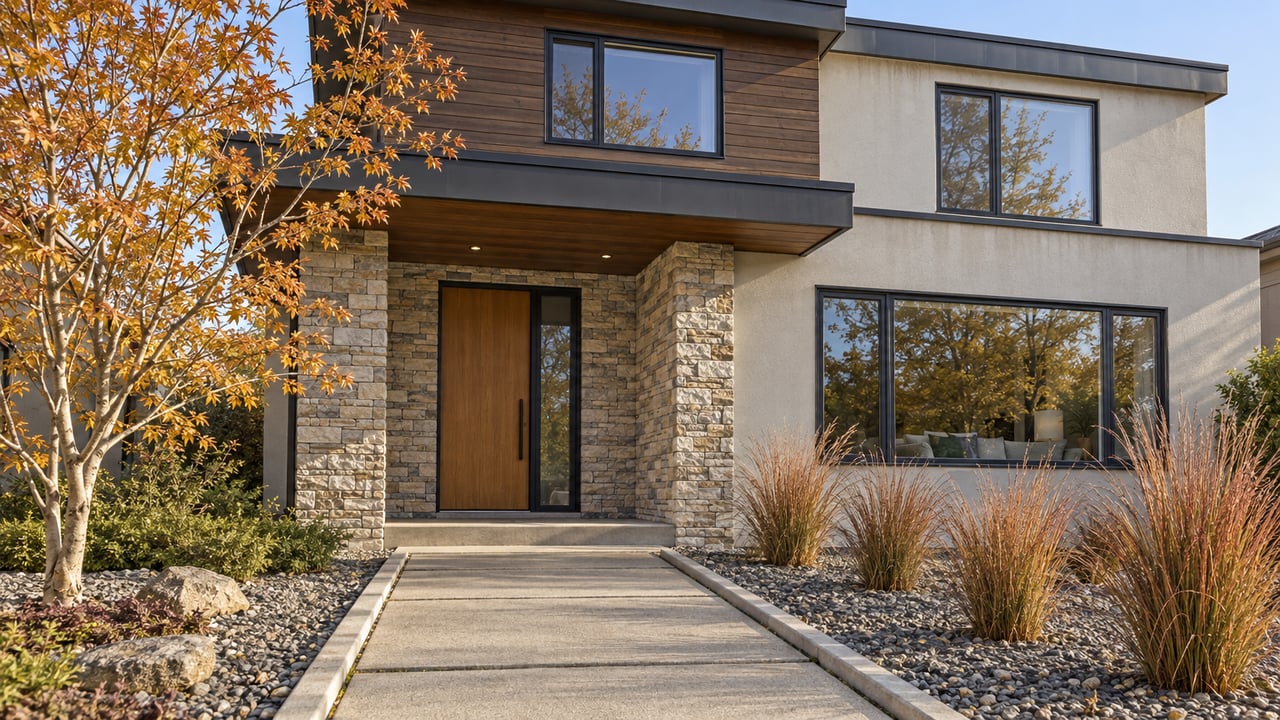

Erie Colorado Real Estate
Erie Airpark Homes for Sale | Living in Erie, Colorado
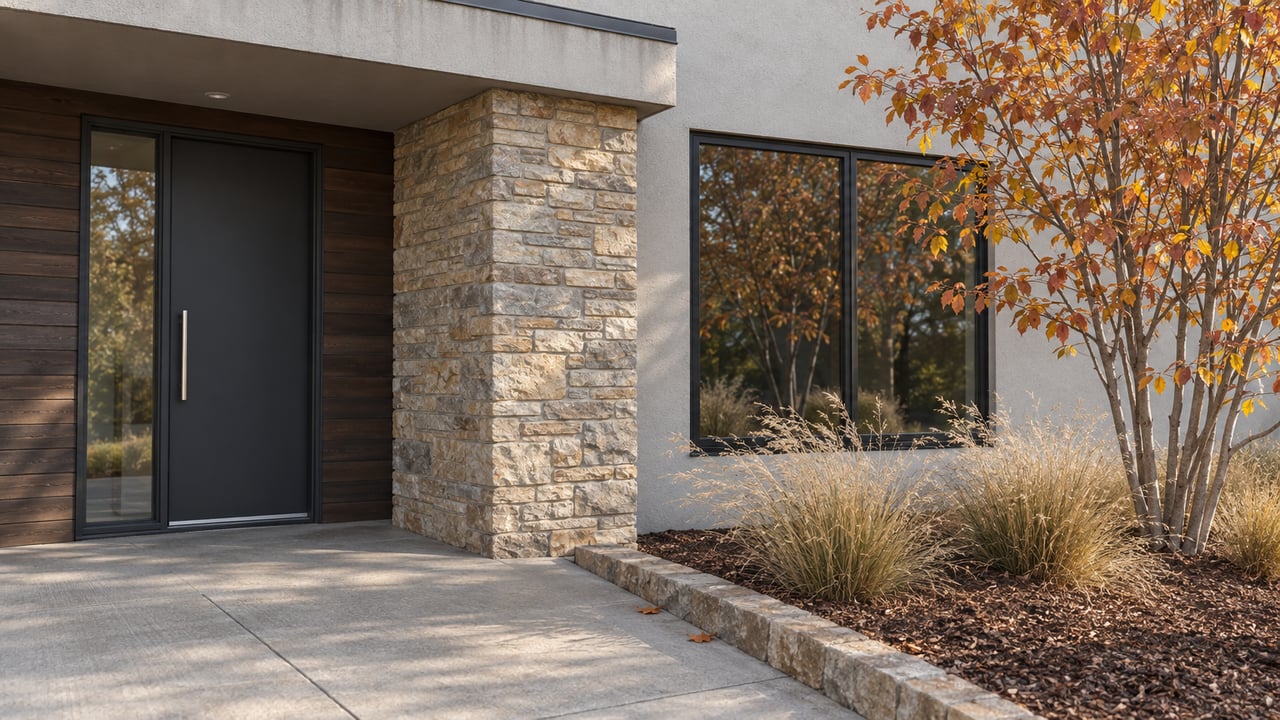
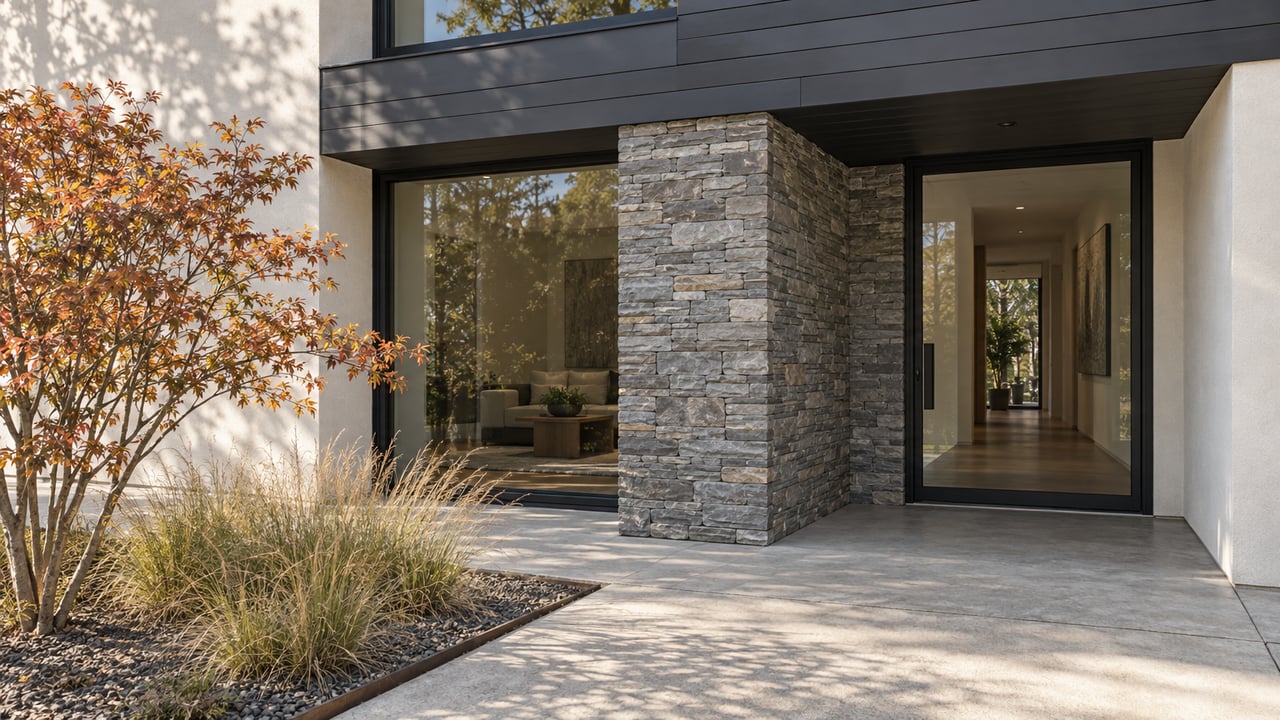
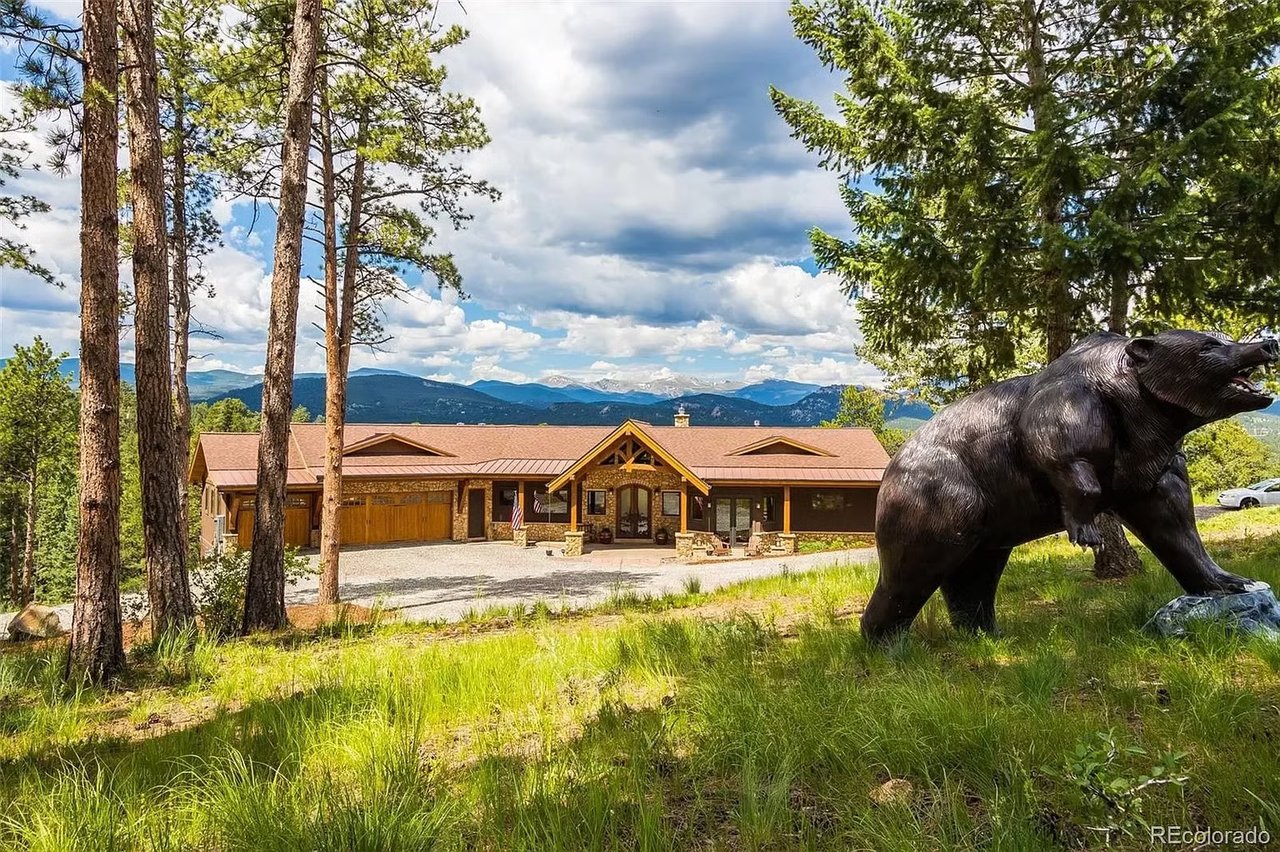
Evergreen Colorado real estate
Discover Evergreen’s Luxury Homes, Mountain Estates, Acreage, Views and the Colorado Lifestyle—Just Minutes From Denver
Denver Luxury Real Estate
A Homebuyer's Guide to Custom Estates, Luxury Communities, and Unobstructed Rocky Mountain Views