Wish your Denver mortgage felt lighter without giving up the home you want? An accessory dwelling unit, or ADU, can help you house hack by adding a rentable space on your property. You get flexibility for family or long-term tenants, and you can boost your property’s value over time. In this guide, you will learn what an ADU is, how Denver’s rules work, what it might cost, how to finance it, and how to run the numbers like a pro. Let’s dive in.
What is an ADU?
An accessory dwelling unit is a secondary home on the same lot as your primary residence. You can use it for long-term rental income, multigenerational living, or, where allowed, short-term stays. The right plan can offset your monthly costs and create long-term flexibility.
Common ADU types
- Internal: Space within your existing home, like a basement apartment with a separate entrance.
- Attached: An addition that shares a wall with the main home.
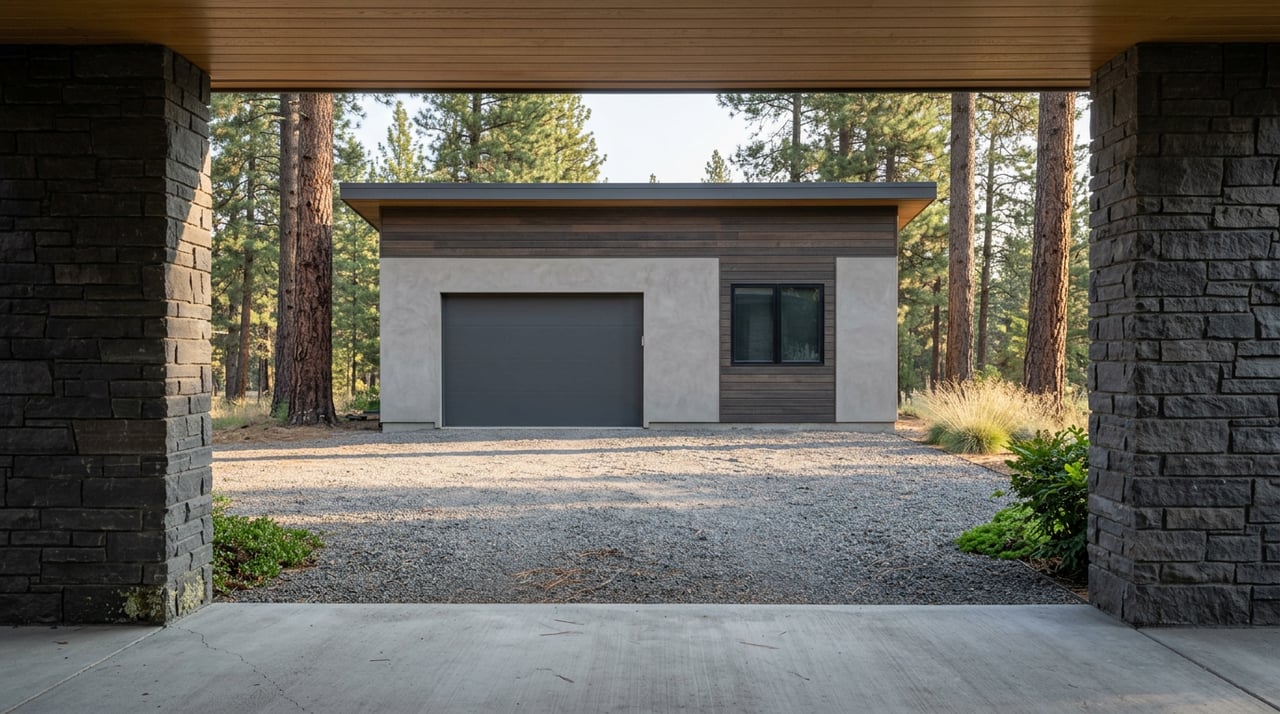
- Detached: A standalone structure, often in the backyard.
- Converted accessory structure: A garage or similar outbuilding turned into a dwelling.
Why ADUs appeal to Denver buyers
- Create steady rental income to help cover your mortgage and carrying costs.
- Add versatility for changing needs, like a home office or space for family.
- Modernize a property while improving long-term resale value and cash flow.
Denver rules: what to confirm early
Local rules drive feasibility, timelines, and cost. Denver’s permitting teams publish guidance and checklists. Before you sketch plans or price materials, confirm these items with the City and County of Denver’s planning, zoning, permitting, and inspection offices.
Zoning and permits
- Verify that your lot’s zoning permits the ADU type you want: internal, attached, or detached.
- Ask about the permit path, including building permits, land-use review if needed, plan review, and utility permits.
- Understand inspection steps and code requirements from start to finish.
Size, height, and setbacks
- Confirm maximum ADU size for your zone and any lot coverage or open-space rules.
- Review setbacks, height limits, and floor-area-ratio so your design fits the envelope.
- If you are in an overlay or conservation area, ask about additional limits that can affect massing and exterior details.
Parking and historic areas
- Parking rules can vary by zone and proximity to transit. Some areas reduce or waive parking for ADUs. Ask what applies to your address.
- If you are in a historic district, plan for extra review and potential design constraints.
Utilities, taps, and inspections
- Clarify water and sewer requirements, including tap fees, meter upgrades, or separate connections for detached units.
- Review energy, fire separation, egress, electrical, HVAC, and plumbing standards for code compliance.
- Ask for current fee schedules and typical review timelines so your financing and construction schedule match reality.
What an ADU may cost
Every site and scope is different, and recent labor and material inflation makes precise estimates challenging. Use these ranges as a starting point, then get local contractor bids and plan for contingencies.
Typical cost components
- Design and permitting: architect or engineer, site survey, plan review, permit fees.
- Site work: foundation, trenching, grading, retaining walls, utility extensions.
- Construction: framing, insulation and energy upgrades, roofing, windows, kitchen and bath finishes.
- Systems: HVAC, electrical, plumbing, and in some cases a sewer lift or pump.
- Soft and carrying costs: project management, contractor overhead and profit, 10 to 20 percent contingency, insurance adjustments, and interest if you finance.
Ballpark ranges
- Internal or garage conversions: often tens of thousands to low six figures depending on scope and code requirements.
- New detached ADUs: commonly about 100,000 to 350,000 or more based on size, finishes, and site complexity. Larger or higher-end projects can exceed that.
Set expectations early and budget conservatively. A well-planned conversion can be the most cost-efficient path, while a detached ADU offers privacy and stronger rent potential.
How to finance an ADU
The right loan depends on your goals, equity, and timeline. Discuss your plan with lenders before you design or bid the project.
Common options
-
Cash: simple and fast, no financing cost.
-
HELOC or home equity loan: taps existing equity. HELOCs are usually variable rate; home equity loans are often fixed.
-
Cash-out refinance: replaces your primary mortgage to unlock equity, potentially at a different rate.
-
FHA 203(k) or FHA Title I: federal renovation programs that can support purchase-plus-renovation or rehab-only, subject to program rules and lender approval.
-
Conventional renovation loans: Fannie Mae HomeStyle Renovation or Freddie Mac CHOICERenovation can bundle purchase and improvements. Eligibility for detached ADUs varies by lender.
-
Construction or construction-to-permanent loans: tailored for ground-up detached ADUs. Interest-only during construction, then convert to permanent financing.
-
Portfolio lenders and local credit unions: sometimes offer ADU-friendly terms or flexible underwriting for owner-occupants.
-
Private or contractor financing: can fill gaps for smaller scopes, often at higher rates.
Using rental income in underwriting
Many lenders will consider projected ADU rent, sometimes at a reduced percentage or with a market rent schedule. Owner-occupancy rules still apply for most primary mortgage products. If you plan short-term rentals, note that some lenders and insurers treat STR income differently.
Practical steps
- Get pre-approved for a product that fits your plan.
- Gather conceptual drawings and a preliminary contractor estimate to support your loan file.
- Ask about draw schedules, interest during construction, and how long the permit timeline may affect your financing window.
Rentability in Denver: what to expect
Denver has long shown strong renter demand, but rents and vacancy vary by neighborhood. Proximity to transit, downtown, universities, and major job centers often supports stronger rent and lower vacancy.
Pricing and unit features
ADU rents typically align with local studio or one-bedroom rates, adjusted for size, finishes, private access, and whether utilities are included. Furnished units and short-term strategies can change gross income and turnover.
Short-term rentals: what to know
Short-term rentals can increase gross income, but they require separate licensing and tax compliance and may face city rules, HOA restrictions, and different lending or insurance treatment. Verify all requirements before planning on STR revenue.
Operating costs to plan for
- Property management: expect roughly 8 to 12 percent of collected rent for long-term management. STR management is often higher.
- Maintenance and reserves: set aside 5 to 10 percent of gross rent. Older homes or high-end finishes may need more.
- Utilities: separate meters help allocate costs to the tenant. If you include utilities, model that expense realistically.
- Vacancy and turnover: use conservative assumptions, such as 5 to 10 percent vacancy, based on your area.
Model your returns
Estimate gross rent multiplier, cap rate, and cash-on-cash return, and include your mortgage reduction from house hacking. Stress test with lower rents and higher costs, and include at least a 10 to 20 percent construction contingency.
Step-by-step: your ADU timeline
Follow a simple sequence to reduce surprises and keep your project on track.
1) Pre-purchase or early planning
- Confirm ADU allowance for the exact parcel with Denver Planning and Zoning.
- Ask utilities about water, sewer, and electrical capacity plus any tap or upgrade fees.
- Order a property survey to identify setbacks, easements, and buildable area.
- Review title and any HOA rules for limits on rentals or second units.
- Check if the property sits in a historic or conservation district.
- Run a neighborhood rent check using recent comps and local sources.
2) Feasibility and design
- Engage an experienced local contractor or design pro with ADU experience.
- Create conceptual drawings and a preliminary budget.
- Plan for parking, private access, and trash storage to keep operations smooth after completion.
3) Permits and financing
- Submit plans for permits and plan review with the City and County of Denver.
- Choose your loan product and align draw schedules with your build.
- Confirm inspection milestones and expected timelines.
4) Construction and inspections
- Hold a kickoff meeting to align site logistics, neighbor communication, and schedule.
- Track change orders and keep a contingency reserve ready.
- Complete required inspections and close out punch items.
5) Lease-up or STR launch
- Secure the certificate of occupancy if required.
- Set market rent, screening standards, and a lease that follows Colorado and local rules.
- If pursuing STR, obtain needed licenses and handle taxes before hosting.
Common risks and how to avoid them
- Regulatory changes: secure permits and approvals early and build to the approved plans.
- Cost overruns: bid competitively, define scope clearly, and keep a 10 to 20 percent contingency.
- Hidden site issues: order soil tests where needed and test for asbestos or lead in older homes before work.
- Insurance and mortgage shifts: notify your lender and insurer up front to avoid coverage gaps.
- HOA or neighbor disputes: confirm covenants and set expectations early. Good communication reduces friction.
- Tax impacts: expect reassessment after improvements and plan for rental income reporting. Consult a tax pro.
After you build: finish strong
- Complete final inspections and obtain your certificate of occupancy.
- Update your insurance to reflect a rental unit and consider umbrella coverage.
- Set up separate utility metering if feasible, or clearly outline cost sharing in the lease.
- Establish maintenance routines and reserve targets to protect your cash flow.
Ready to explore ADU-friendly properties?
An ADU can be a smart path to lower payments and long-term flexibility, but the details matter. With 30 plus years of Colorado real estate and hands-on construction experience, we help you identify the right lots, verify the rules, price the build, and estimate the rent so you move forward with confidence. If you are considering house hacking in Denver, reach out to discuss your goals and next steps. Connect with Nick Evancich for a tailored plan.
FAQs
What is an ADU and how does house hacking work in Denver?
- An ADU is a secondary dwelling on your lot that you can rent to offset your mortgage while you live in the main home or the ADU.
Are ADUs allowed on every Denver property?
- No; you must verify your parcel’s zoning, overlays, and any HOA rules with the City and County of Denver and your association if applicable.
How much does a detached ADU typically cost to build?
- Detached ADUs commonly range from about 100,000 to 350,000 or more depending on size, finishes, and site conditions.
Can I use my ADU for short-term rentals in Denver?
- Possibly, but STRs require separate licensing and taxes and may face city, neighborhood, or HOA restrictions; verify before you plan on STR income.
What financing options exist for ADUs?
- Common routes include HELOCs, cash-out refinancing, FHA 203(k), FHA Title I, HomeStyle Renovation, CHOICERenovation, and construction-to-permanent loans.
Will lenders count ADU rent when I qualify for a loan?
- Many lenders consider projected rent with conditions, such as a market rent schedule or reduced percentage of expected income; rules vary by lender.
What are the biggest risks with ADUs in Denver?
- Cost overruns, permitting delays, site surprises, and insurance or mortgage changes; mitigate with early verification, contingency reserves, and experienced pros.
GOOGLE REVIEWS
About THE LIST