Is a Conifer move on your winter to-do list, but you’re not sure how snow season will affect your timing and price? You’re not alone. The foothills run on a different rhythm than the Denver plains, and that shows up in listings, showings, and closings from October through April. In this guide, you’ll learn what truly changes in winter, what stays the same, and how to plan a smooth move with fewer surprises. Let’s dive in.
What winter looks like in Conifer
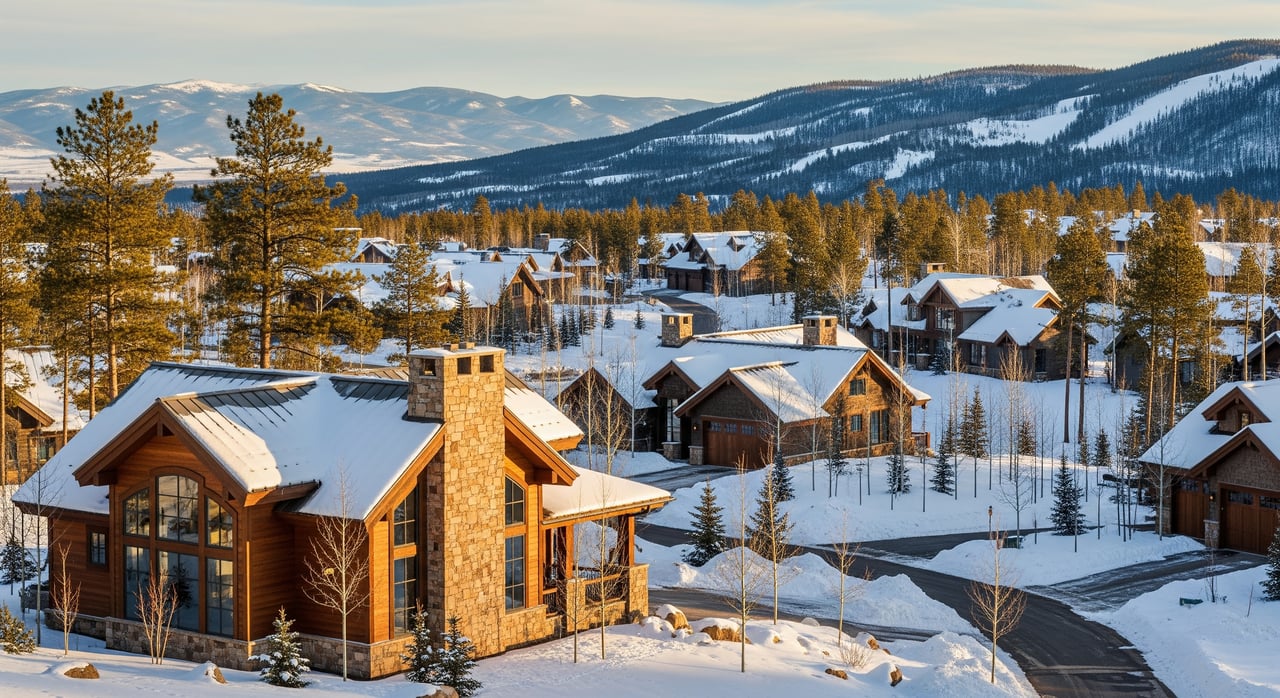
Conifer sits in the Front Range foothills at higher elevation than Denver. Measurable snowfall often begins in the fall, with the core snow season running roughly October through April. The heaviest and most persistent snow typically lands December to February.
Shorter daylight and colder temperatures shape how and when showings happen. Many buyers try to tour during midday hours for better light and safer footing. Late winter and early spring bring freeze and thaw cycles that can turn driveways, steps, and unpaved approaches icy or muddy. On steep or narrow drives and lower-priority county roads, snowpack can lead to temporary access interruptions until plows get through.
The takeaway: winter is normal in Conifer. Plan for it, build a little extra time into your day, and focus on safe, reliable access.
Seasonal inventory and pricing
Across the U.S., residential markets tend to peak in spring and early summer, then slow through late fall and winter. In foothills communities like Conifer, that seasonality is often stronger.
- Inventory usually dips in December and January. Fewer new listings hit the market, and total active listings often pull back.
- Buyer traffic also softens, which can give winter buyers more negotiating room. Sellers who list during winter may face less competition from other listings, but also a smaller pool of shoppers.
- Price patterns can vary. In many areas, median sale prices level off or grow more slowly in winter compared with spring. In tight-supply segments, well-presented homes with good access can still command strong prices.
A common pattern is a backlog of listings arriving in March through May as sellers wait for better weather. If you’re selling, winter can be an opportunity to stand out with a clean, accessible property. If you’re buying, winter can open up negotiation space when fewer buyers are in the mix.
Showings and access in the foothills
Winter showings in Conifer are less about “How pretty is the yard?” and more about “How does this home live in snow?” Plan for the realities of hillside living so you can make confident decisions.
Access and safety
- Expect schedule changes during storms. It’s normal to reschedule for daylight or better conditions.
- Steep driveways, unplowed private lanes, icy steps, and long unpaved approaches are common. Some county roads are lower plow priority, so allow extra time.
- If you’re traveling from the plains, account for slower mountain driving and winter vehicle readiness.
What buyers notice in winter
- Roof snow load and potential ice dams are visible in cold spells. Buyers may look for signs of heat loss or drainage patterns.
- Eaves, gutters, and walkways can develop ice. Clear, sanded paths help tours feel safer and more welcoming.
- Driveway usability matters. If access looks challenging, buyers may worry about daily life after a storm.
- Heating performance stands out. A warm, evenly heated interior reassures buyers.
- Utility logistics come up more often. In rural foothills settings, questions about propane deliveries, wood stoves, wells, and septic access are common in winter.
Virtual tools vs. in-person visits
High-quality interior photos and virtual tours are helpful, but most foothills buyers still want at least one in-person winter visit to evaluate access and practicality. Sellers who make that visit feel safe, warm, and efficient often see better results.
Transaction timelines and contingencies
Core contract timelines do not change in winter, but weather can slow certain steps. Expect the process to feel familiar with a few practical twists.
- Appraisal and inspection schedules can stretch when roads are slick or daylight is limited. Build in a cushion so you’re not racing the clock.
- Inspectors can evaluate most interior systems in winter, though deep snow may limit a full view of roofs, foundations, drainage, or landscaping. Plan for follow-up checks once snow melts if needed.
- Remote tools help. E-signatures, remote notarization where available, and virtual meetings keep momentum going. Some steps like final walk-throughs and appraiser access still require safe physical entry.
- Contractors may need more time to complete exterior repairs or outdoor projects. Prioritize safety items first and agree on reasonable timelines.
Smart contracts spell out winter realities. Clarify who is responsible for clearing snow and ice for showings, inspections, appraisals, and the final walk-through. Add buffer days for moving companies and delivery services if a storm hits.
Seller strategies for winter success
Listing in winter can be a strategic move if you control what you can. Focus on safety, comfort, and clarity.
- Make access easy and safe. Keep the driveway cleared and treat the main path, steps, and porch with sand or ice melt. Add a boot tray and mats inside.
- Warm and bright wins. Maintain a comfortable temperature and turn on key lights before showings. Replace dim bulbs and check exterior lighting for dusk tours.
- Showcase maintenance. Prepare a simple packet or digital folder with recent service records for heating, roof checks, snow removal details, and any propane or well maintenance.
- Stage for the season. Clear the entry, remove icicles where practical, add inviting interior touches, and keep blinds open for natural light. Fresh interior photos matter when yards are snow covered.
- Consider a pre-inspection. An interior-focused pre-listing inspection can reduce surprises and build buyer confidence. If exterior items are snow covered, plan to address them in disclosures and pricing.
- Price with context. Winter buyer pools are smaller. A realistic list price and strong presentation can attract serious, motivated buyers.
Pro tip: Put a snow plan in your showing instructions. Note who plows, where to park if the drive narrows, and any tips for a safe approach.
Buyer strategies for a smooth winter purchase
If you’re shopping in January or February, you can gain ground by being prepared and practical.
- Get fully pre-approved. With fewer buyers out, a strong offer with clear financing can stand out.
- Verify access. Ask who is responsible for snow removal on private drives or HOA roads and how quickly plowing typically occurs. If possible, visit after a storm to see real conditions.
- Check heat and backups. Test heating performance, ask about chimney or wood stove maintenance, and understand fuel sources like propane.
- Allow more time. Add extra days to your inspection, appraisal, and closing buffers in case weather slows scheduling.
- Protect with smart clauses. If snow blocks full exterior assessment, include a follow-up verification after melt. Clarify who clears access for inspections and appraisals.
- Plan your move. Have a flexible moving window and a Plan B for storage if a storm delays your schedule.
Pro tip: Visit at different times of day if you can. Morning shade and afternoon sun can change how a driveway melts or refreezes.
Smart planning for both sides
A little foresight goes a long way in the foothills.
- Communicate early. Coordinate with inspectors, appraisers, and movers as soon as you go under contract and confirm who will clear access.
- Keep safety first. If a storm hits, reschedule tours or field visits rather than pushing through risky conditions.
- Document details. Include propane tank levels, plow contacts, and any road district or HOA information in disclosures or buyer packets.
Local foothills nuances to consider
Conifer’s winter rhythm is manageable with the right mindset.
- Daylight windows are short in mid-winter. Plan showings around lunch hours or early afternoon for better light and traction.
- Road priority matters. Primary roads are cleared first in county plans, with secondary routes following. If your route includes lower-priority sections, allow extra time.
- Vehicle readiness helps. For tours on snowy days, wear traction footwear and consider a vehicle prepared for mountain conditions.
The big picture: winter moves in Conifer are completely doable. When you pair smart access planning with realistic timelines and clear contracts, you can list or buy with confidence and keep your goals on track.
Ready to talk through your winter strategy or get a read on today’s foothills inventory and pricing? Connect with a local advisor who blends market insight with construction-savvy guidance. Reach out to Nick Evancich to map your next step.
FAQs
Will Conifer homes sell for less in winter?
- Not necessarily. Inventory and buyer traffic are usually lower, which can create room for negotiation. Final prices depend on demand, access, and property condition.
How much longer will a winter closing take in Conifer?
- Core timelines are similar, but storms can delay inspections, appraisals, and moves. Build a few cushion days into your schedule to avoid last-minute stress.
Who clears snow for showings and inspections?
- Typically the seller, unless an HOA or road district handles it. Spell out responsibilities in the contract so appraisers and inspectors can access the property safely.
Can inspectors and appraisers work when there’s snow?
- Yes for most interior items. Deep snow may limit roof, drainage, or full foundation views. Plan for follow-up verification once conditions improve.
Should I get a pre-listing or pre-purchase inspection in winter?
- A pre-listing inspection can reduce buyer objections. For buyers, consider a clause allowing exterior rechecks after snow melt if the initial inspection couldn’t access everything.
Are virtual tours enough for foothills homes in winter?
- Virtual tools help you shortlist homes, but most buyers still want an in-person visit in winter to evaluate access, driveway slope, and daily usability.